Understanding the Importance of Event Planning
Event planning is a critical component for the success of any gathering, whether it’s a corporate function, wedding, or community festival. The essence of effective event planning lies in the meticulous attention to details that can enhance the overall experience for guests and hosts alike. From logistical considerations to creative elements, each aspect plays a vital role in ensuring an occasion unfolds smoothly. When exploring options, casablancahire.co.uk provides comprehensive insights to help you navigate the complexities of event coordination.
Why Every Detail Matters
Every detail, big or small, contributes to the success of an event. A well-planned event acknowledges the needs of attendees while reflecting the host’s vision. Consider the atmosphere created by decor, the comfort of seating arrangements, and the quality of food served. All of these elements contribute cohesively to the experience. Disregarding even the slightest details can lead to discomfort or confusion, detracting from the overall enjoyment.
Common Mistakes in Event Coordination
Many event planners, both seasoned and novice, fall into common traps. One frequent mistake is underestimating the time required for setup and breakdown. This can result in last-minute chaos, which often leads to errors. Moreover, failing to communicate effectively with suppliers and vendors can create gaps in service, disrupting the flow of the event. Focusing on a single aspect while neglecting others can also lead to an imbalanced experience for guests.
How to Start Planning Effectively
The key to a successful event lies in starting with a solid plan. Define the purpose of your event and set clear objectives. Develop a checklist that covers all necessary components—from venue selection to catering. This organized approach aids in keeping everything on track. Additionally, involving a team can provide varied expertise and insights, making the planning process more comprehensive.
Choosing the Right Venue: Key Considerations
Choosing the right venue is one of the most pivotal decisions in the event planning process. The venue not only sets the tone for the event but also impacts guest experience significantly. Factors such as capacity, location, and aesthetics must be considered to ensure that the venue aligns with the event’s goals.
Size and Capacity: Avoiding Overcrowding
Understanding the number of attendees is crucial before selecting a venue. Overcrowding can lead to a negative experience, while an overly spacious venue can feel empty and lack energy. Conducting RSVPs and estimating attendance helps in selecting an appropriately sized venue that can comfortably accommodate guests, enhancing their overall experience.
Accessibility and Location: Making Travel Easy
The location of your venue should be convenient for your guests. Consider factors like parking availability, public transport access, and proximity to accommodations if guests are traveling from afar. An accessible venue ensures that everyone can arrive without undue stress, contributing positively to the overall experience.
Aesthetic Appeal: Matching Venue with Theme
Every detail should align with the theme of your event, including the venue’s appearance. Determine how the venue’s architecture and decor fit with your vision. A visually appealing space can enhance the atmosphere and make your event more memorable. It’s also important to consider how easily the venue can be adapted to incorporate your brand colors, signage, and other thematic elements.
Selecting Quality Suppliers for Your Event
Your event’s success hinges on the quality of the suppliers you choose. From catering to decoration, each supplier contributes significantly to the overall experience. It’s essential to conduct thorough research when selecting vendors to ensure they meet your quality standards.
Identifying Trusted Vendors and Service Providers
Reaching out for recommendations within your network can help identify reliable vendors. Read reviews and testimonials and check their portfolios to assess whether their style aligns with your event’s theme. Engaging with trusted vendors who have a proven track record can mitigate risks associated with last-minute changes or subpar service.
Understanding the Importance of Contracts
Contracts are indispensable in event planning, serving to protect both parties involved. Make sure to outline all expectations within the contract, including payment terms, timelines, and cancellation policies. This document acts as a safety net, ensuring that all parties adhere to their promises.
How to Evaluate Cost vs. Quality
Budget constraints are a reality in event planning; however, the focus should not solely be on finding the cheapest option. Instead, evaluate the quality of products and services offered to judge their value. High-quality suppliers can ultimately save costs associated with mistakes or substandard service, providing an overall better experience for attendees.
Creating a Cohesive Event Atmosphere
Creating the right atmosphere is essential for engaging guests and making the event memorable. From decor to sound, every element can influence attendee perception and satisfaction.
Choosing the Right Decor: Setting the Scene
The decor of your event should reflect the theme and purpose. Whether it’s floral arrangements, table settings, or color schemes, every decorative choice should create a cohesive look. Consider using unique centerpieces or thematic props to enhance the visual appeal and engage guests more deeply in the experience.
Importance of Lighting in Venue Setup
Lighting is a powerful tool in event planning. It can dramatically alter the mood of a venue and highlight specific areas or features. Strategic lighting design can create an inviting atmosphere, guide guest movement, and enhance the overall theme. Whether opting for warm ambient lights or vibrant colored spotlights, the choice should align with the event’s objectives.
Integrating Music and Entertainment Effectively
Music and entertainment are crucial for maintaining energy and engagement during the event. Consider hiring live musicians or DJs who understand the crowd and can adapt to the event’s flow. Additionally, integrating entertainment such as photo booths or performers can create memorable experiences that keep guests engaged throughout the event.
Post-Event Strategies for Success
The conclusion of an event is not the end; it’s the beginning of assessing its success and planning future improvements. Reflecting on lessons learned can enhance your approach to future events.
Gathering Feedback for Improvement
Soliciting feedback from attendees can offer valuable insights into what worked and what can be improved. Consider sending out surveys or engaging in conversations to capture opinions on various aspects of the event. This information can guide decisions for future gatherings, helping to refine your planning process.
How to Maintain Relationships with Suppliers
Building strong relationships with suppliers can enhance collaboration for future events. Following up with a thank-you note or a call to express gratitude can go a long way in establishing goodwill. Regular communication and recognition of their contributions can foster a partnership that benefits future events.
Planning for Future Events: Lessons Learned
Post-event analysis is essential for continual improvement. Review the overall execution of the event, the feedback received, and any issues encountered. Documenting these insights allows for better preparations for future events, ensuring that your events become more seamless and successful over time.
What Should I Consider for an Outdoor Event?
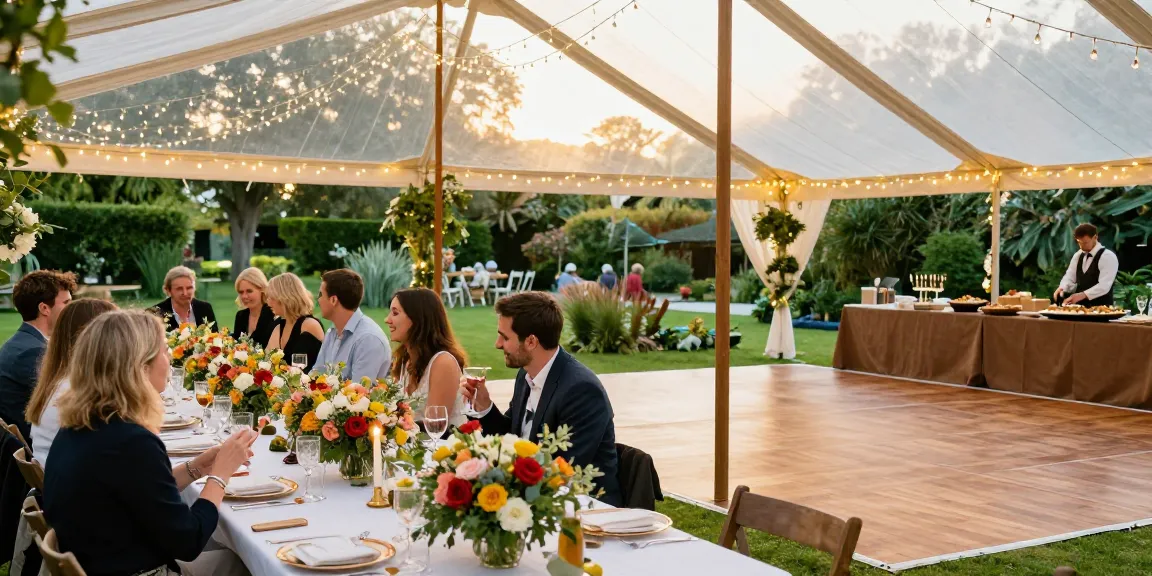
Outdoor events present unique challenges and considerations. Weather conditions are at the top of the list; always have a contingency plan in place. Choose a venue that can accommodate unexpected weather changes, like a marquee for shelter. Additionally, consider logistics for parking, restrooms, and accessibility to enhance the guest experience.
How Do I Choose the Right Marquee Size?
Choosing the right marquee size hinges on understanding your guest list and layout needs. Consider how space will be allocated for seating, dining, and other activities. It’s generally wise to allow at least 10 square feet per person for dining events. This allows guests to move comfortably and enjoy their experience.
What Catering Options Should I Consider?
Catering can make or break an event. Consider dietary restrictions and preferences while planning your menu. Offering a variety of options, including vegetarian, vegan, and gluten-free choices, ensures that all guests feel included. Work with your catering service to create a menu that aligns with your theme and budget.
Can I Customize Marquees for Different Themes?
Absolutely! One of the greatest advantages of hiring a marquee is the ability to customize it to fit your theme. From decorative linings and unique flooring to lighting options that create a specific ambiance, marquee setups can be tailored to reflect your event’s personality.
What Are the Best Practices for Event Setup?
Best practices for event setup involve proper planning, logistics, and timing. Ensuring that all suppliers and vendors are aligned with the schedule is critical. Perform final checks on all setup elements and allow ample time for adjustments before guests arrive. A well-organized setup is crucial for a smooth event flow.